





Implementation Methodology
The process begins with requirements validation and planning, followed by solution design, configuration, and development. Rigorous testing cycles verify functional accuracy and performance, while user training and change-management activities support smooth adoption.

Phase 1: Strategic Assessment (Weeks 1-4)
This phase centers on evaluating the current technical environment, system dependencies, data quality, and user needs. We conduct workshops, requirements discovery sessions, and architectural reviews to identify gaps and opportunities. The output includes a strategic alignment document outlining target-state requirements, constraints, and priorities.
- Comprehensive technology audit.
- Business objective alignment.
- Stakeholder interviews & requirement gathering.
- Cost-benefit analysis.
- Modernization roadmap development.

Phase 2: Architecture & Planning (Weeks 5-8)
During this phase, teams develop the project’s overall vision, spatial strategy, and technical framework. Key activities include site analysis, feasibility studies, conceptual and schematic design, user flow planning, and coordination with engineering and regulatory requirements. The goal is to create a comprehensive plan that balances functionality, aesthetics, sustainability, and budget considerations. This phase establishes the foundation on which execution and implementation will be built, ensuring that every element is clearly defined, coordinated, and strategically aligned.
- Solution architecture design.
- Technology stack selection.
- Security & compliance framework.
- Migration strategy development.
- Resource planning & timeline estimation.
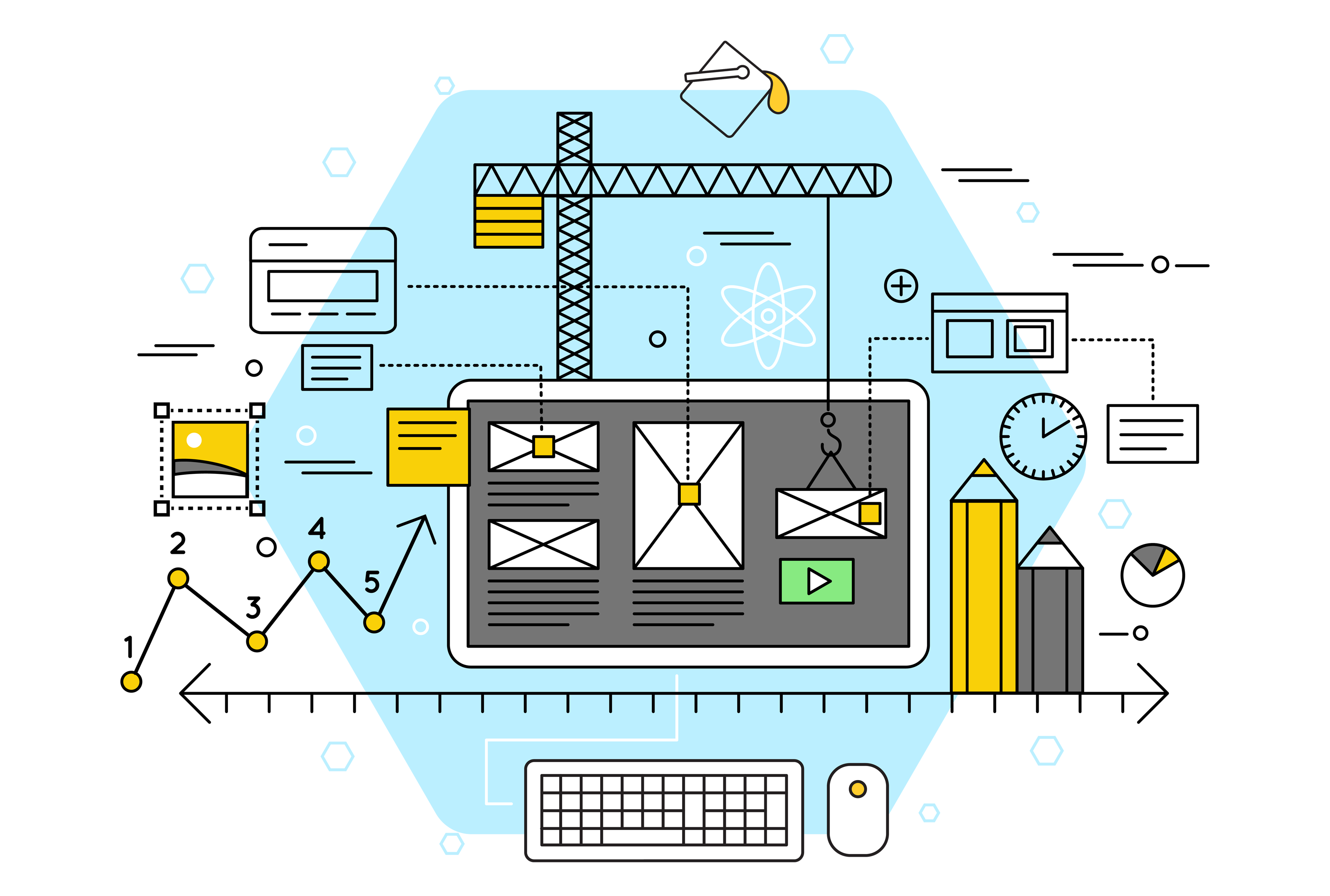
Phase 3: Execution (Weeks 9-X)
During this phase, teams implement the approved project plan, coordinate resources, and carry out the tasks necessary to achieve the project’s objectives. Activities typically include mobilizing personnel, executing design or construction work, monitoring progress, ensuring quality control, and making real-time adjustments to keep the project on schedule and within scope. Clear communication, thorough documentation, and active problem-solving are essential to ensure successful outcomes.
- Agile sprint-based development.
- Continuous integration & deployment.
- Parallel/phased migration approach.
- Real-time testing & validation.
- Stakeholder communication & updates.

Phase 4: Launch & Optimization (Post-Launch)
Following the launch, performance is carefully monitored to ensure the outcome meets functional, quality, and user-experience goals. Feedback, data, and real-time observations are used to identify improvements, refine workflows, resolve issues, and enhance overall efficiency. The goal of this phase is to maximize performance, ensure user satisfaction, and establish a stable foundation for long-term sustainability and growth.
- User training & change management.
- Performance monitoring & tuning.
- Continuous optimization.
- ROI tracking & measurement.
- Long-term support roadmap.